File Reader: Ulysses
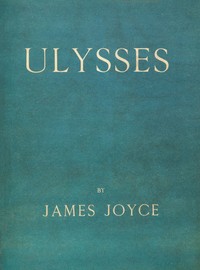
Immerse yourself in the groundbreaking narrative of 'Ulysses' by James Joyce, a masterpiece that redefined modern literature. Set in Dublin on a single day—June 16, 1904—this novel intricately weaves the lives of its characters, exploring themes of identity, love, and the human experience. With its stream-of-consciousness style and rich symbolism, 'Ulysses' invites readers on an unforgettable journey through the mundane and the profound.
The Story
At the heart of 'Ulysses' is Leopold Bloom, an ordinary man navigating the streets of Dublin. The novel parallels Homer's 'Odyssey,' presenting Bloom's day as a modern epic filled with encounters that challenge his identity and beliefs. Alongside Bloom are Stephen Dedalus, a young artist seeking meaning, and Molly Bloom, his wife, whose inner thoughts reveal the complexities of love and desire. Through a series of innovative narrative techniques, Joyce chronicles their experiences, thoughts, and interactions, creating a rich tapestry of life that resonates deeply with readers.
Why You Should Read It
- Innovative Writing Style: Joyce's use of stream-of-consciousness allows readers to experience the characters' thoughts in real-time, creating an intimate connection.
- Rich Symbolism: The novel is packed with references to mythology, history, and art, offering layers of meaning that invite deeper analysis.
- Exploration of Human Experience: Joyce delves into universal themes such as love, loss, and the search for identity, making the story relatable to readers from all walks of life.
- Cultural Significance: 'Ulysses' is considered a cornerstone of modernist literature, influencing countless writers and shaping the literary landscape of the 20th century.
- Timeless Relevance: Despite being set over a century ago, the themes and characters remain relevant, prompting reflection on contemporary issues and personal experiences.